
Benefits of Herbal Teas: Exploring Their Amazing Effects
Herbal teas have been part of human culture for centuries. They offer a natural way to enjoy a warm, soothing drink without caffeine. Unlike traditional teas made from the Camellia sinensis plant, herbal teas come from a variety of plants, flowers, and herbs. This variety provides a wide range of flavours and health benefits. I have found that incorporating herbal teas into daily routines can improve wellbeing in simple, effective ways.
Understanding the Benefits of Herbal Teas
Herbal teas provide more than just hydration. They contain antioxidants, vitamins, and minerals that support health. Many herbal teas have been used in traditional medicine to address common ailments. For example, chamomile tea is known for its calming effects, while peppermint tea can aid digestion.
Some key benefits include:
Relaxation and stress relief: Herbs like chamomile and lavender help reduce anxiety and promote better sleep.
Digestive support: Peppermint and ginger teas soothe the stomach and reduce nausea.
Immune system boost: Ingredients such as echinacea and elderberry may help strengthen the immune response.
Anti-inflammatory properties: Turmeric and ginger teas can reduce inflammation in the body.
Hydration without caffeine: Herbal teas provide a hydrating alternative to caffeinated drinks.
These benefits make herbal teas a valuable addition to a balanced lifestyle. Drinking them regularly can support overall health without side effects often linked to medications.

Popular Herbal Teas and Their Specific Benefits
Different herbal teas offer unique benefits depending on their ingredients. Here are some popular options and what they can do:
Chamomile Tea
Chamomile is widely used for its calming effects. It contains antioxidants that may reduce inflammation and promote sleep. Drinking chamomile tea before bed can help improve sleep quality.
Peppermint Tea
Peppermint tea is refreshing and helps with digestion. It can relieve bloating, gas, and indigestion. Peppermint also has a cooling effect that can soothe headaches.
Ginger Tea
Ginger tea is known for its ability to reduce nausea and improve digestion. It also has anti-inflammatory properties that may help with muscle pain and arthritis.
Hibiscus Tea
Hibiscus tea is rich in vitamin C and antioxidants. It may help lower blood pressure and support heart health. Its tart flavour makes it a popular iced tea option.
Rooibos Tea
Rooibos is a South African herbal tea that is caffeine-free and rich in antioxidants. It supports skin health and may improve bone strength.
Each of these teas can be enjoyed hot or cold. They offer a natural way to address specific health concerns while providing a pleasant taste experience.
How to Choose and Prepare Herbal Teas
Choosing the right herbal tea depends on your taste preferences and health goals. When selecting herbal teas, consider the following:
Source and quality: Look for teas that are organic and ethically sourced. This ensures purity and supports sustainable farming.
Ingredients: Check for any additives or artificial flavours. Pure herbal teas provide the best benefits.
Freshness: Fresh herbs yield better flavour and potency. Store teas in airtight containers away from light and moisture.
Preparation is simple but important to get the best flavour and benefits:
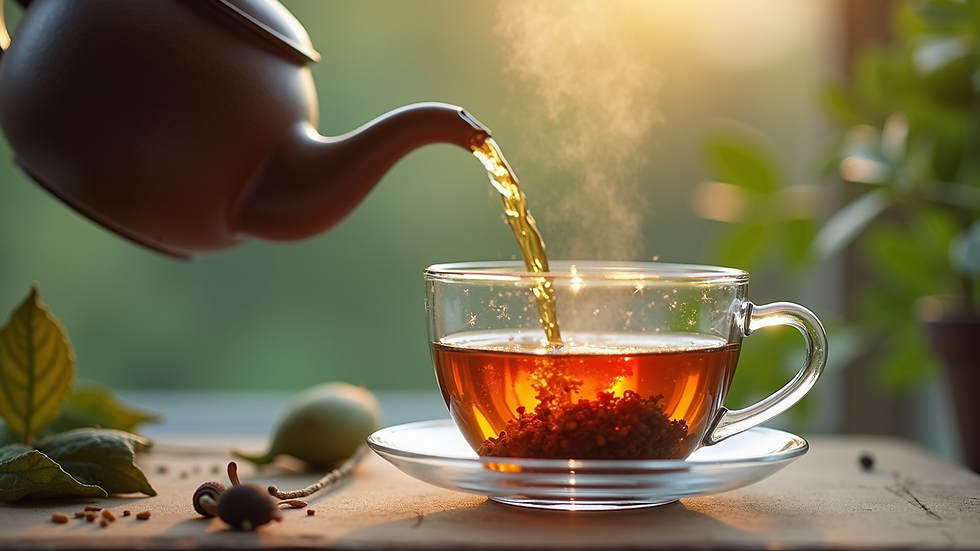
Use fresh, filtered water heated to just below boiling (around 90-95°C).
Steep the herbs for 5-10 minutes depending on the type of tea.
Avoid over-steeping to prevent bitterness.
Add natural sweeteners like honey or lemon if desired.
Experimenting with different steeping times and combinations can help you find your perfect cup.
Incorporating Herbal Teas into Daily Life
Making herbal tea a regular part of your day is easy and rewarding. Here are some practical tips:
Morning boost: Start your day with a cup of ginger or peppermint tea to aid digestion and energise naturally.
Afternoon break: Use chamomile or lavender tea to relax and reduce stress during work breaks.
Evening routine: Sip on chamomile or rooibos tea to wind down and prepare for restful sleep.
Social occasions: Serve herbal teas as a caffeine-free option for guests.
Health support: Drink hibiscus or echinacea tea during cold and flu season to support immunity.
For convenience, many people buy herbal tea online. I recommend exploring a trusted source for high-quality, ethically sourced options. You can find a wide selection of blends and single herbs by searching for herbal tea online.
Sustainable and Ethical Aspects of Herbal Tea
Choosing herbal teas that are sustainably and ethically sourced benefits both consumers and the environment. Many herbal teas come from small farms in regions like the Himalayas, where traditional farming methods preserve biodiversity.
Supporting these producers helps:
Protect natural habitats
Promote fair wages and working conditions
Encourage organic farming practices
Reduce environmental impact
When buying herbal teas, look for certifications or information about the source. This ensures your purchase supports responsible practices and contributes to the wellbeing of farming communities.
Making Herbal Tea a Part of Your Wellness Journey
Herbal teas offer a simple, natural way to enhance health and wellbeing. Their diverse flavours and benefits make them suitable for many occasions and needs. By choosing high-quality, ethically sourced teas and preparing them mindfully, you can enjoy their full potential.
Whether you want to relax, improve digestion, or boost immunity, there is an herbal tea that fits your goals. I encourage you to explore different varieties and find the ones that work best for you. Making herbal tea a daily habit can be a small but meaningful step towards a healthier lifestyle.
Enjoy the journey of discovering the amazing benefits of herbal teas.


Comments